
A Message to Our Community and Fellow Providers
Recent news about the U.S. Supreme Court decision related to state restrictions on conversion therapy has left many people feeling confused, concerned, and — for some —deeply unsettled. We want to speak directly to our community and to fellow mental health providers about what this moment means, and just as importantly, what it does not mean.
Let’s start here:
A legal ruling about free speech does not change the science, the ethics, or the lived experiences of LGBTQIA+ individuals.
And our pledge to affirming care persists.
This is a moment that calls for clarity, steadiness, and compassion for clients, families, and clinicians alike.
What Actually Changed and What Didn’t
The Supreme Court’s decision focused on whether state bans on conversion therapy regulate speech in a way that requires heightened constitutional scrutiny. The ruling brings up questions about how these bans may be challenged in the future, but it does not endorse conversion therapy as effective, ethical, or appropriate clinical care.
Professional organizations across mental health disciplines have already reaffirmed this distinction.
The American Mental Health Counselors Association expressed disappointment with the ruling and reiterated its continued opposition to conversion therapy, citing clear evidence of harm and lack of effectiveness. AMHCA also emphasized that ethical responsibilities remain unchanged, including protecting client autonomy, avoiding harm, practicing without discrimination, and guaranteeing informed consent.
In other words:
Even if the legal environment shifts, our commitment to our professional ethics remains the same.
Washington State Context
We are proud to say that our state has historically taken a strong stance in protecting LGBTQIA+ youth and promoting evidence-based mental health care.
In 2018, Washington enacted legislation prohibiting licensed healthcare providers from practicing conversion therapy on minors, classifying it as unprofessional conduct subject to disciplinary action. This law was later upheld in Tingley v. Ferguson, which confirmed the state’s authority to regulate harmful clinical practices and protect young people.
Uncertainty in law does not mean uncertainty in ethics.
Across mental health professions, the scientific and clinical consensus is clear and longstanding: attempts to alter or influence a person’s sexual orientation or gender identity are not supported by evidence and carry a significant risk of harm, particularly for children and adolescents.
Our Ethical Commitments
- Do no harm
- Practice within the boundaries of evidence-based care
- Honor the dignity and lived experiences of all clients
- Avoid imposing clinician values on the client’s identity
- Provide care and support that is free from discrimination
- Continue to learn about and engage in cultural humility and competence
These are not political positions. These are our professional responsibilities.
The Supreme Court decision poses significant questions about the intersection of clinical practice and free speech. Yet as a field, we are not guided solely by what is legally permissible; we are guided by what is clinically sound, ethically responsible, and centered in client well-being.
To Our LGBTQIA+ Community
If this news stirred up fear, anger, sadness, or confusion, that reaction makes sense. This topic touches highly personal experiences, and it can feel unsettling when harmful practices appear to gain legitimacy in public discourse.
We want to be clear:
You deserve care that affirms your identity.
You deserve therapy that helps you understand yourself — not change who you are.
You deserve clinicians who focus on your safety, dignity, and autonomy.
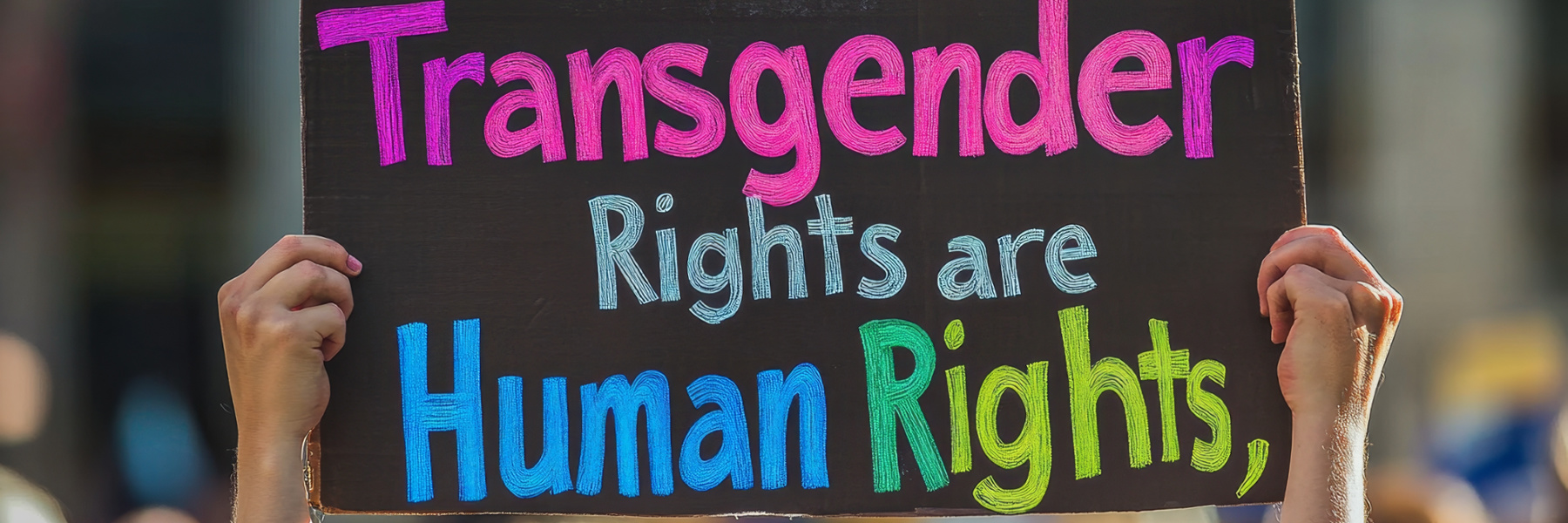
We stand firmly with LGBTQIA+ individuals, families, and communities. Your dignity, your worth, and your right to affirming care are not up for debate.
To Our Fellow Providers
This moment calls us to mindful evaluation and steady leadership.
Questions worth holding together:
- How are we embodying affirming, evidence-based care in daily practice?
- How are we supporting colleagues navigating ethical and judicial complexity?
- How do we stay anchored in our ethical codes when public discourse becomes polarized?
- How do we endorse policies that defend vulnerable populations?
We are guided by more than legality.
We are guided by what is clinically sound, ethically responsible, and relationally grounded.
Moving Forward Together
In times like these, professional identity matters.
Our values matter.
Our pledge to ethical care matters.
At Thrive Counseling Center, our position is clear:
- We provide affirming, evidence-based, relationally attuned care.
- We do not participate in practices that attempt to change sexual orientation or gender identity.
- We support exploration, self-understanding, and genuineness.
- We stand with LGBTQIA+ individuals, families, and communities.
The legal environment may evolve.
Our pledge to ethical, affirming care stays firm.
And we will continue to lead with clarity, compassion, and courage.